

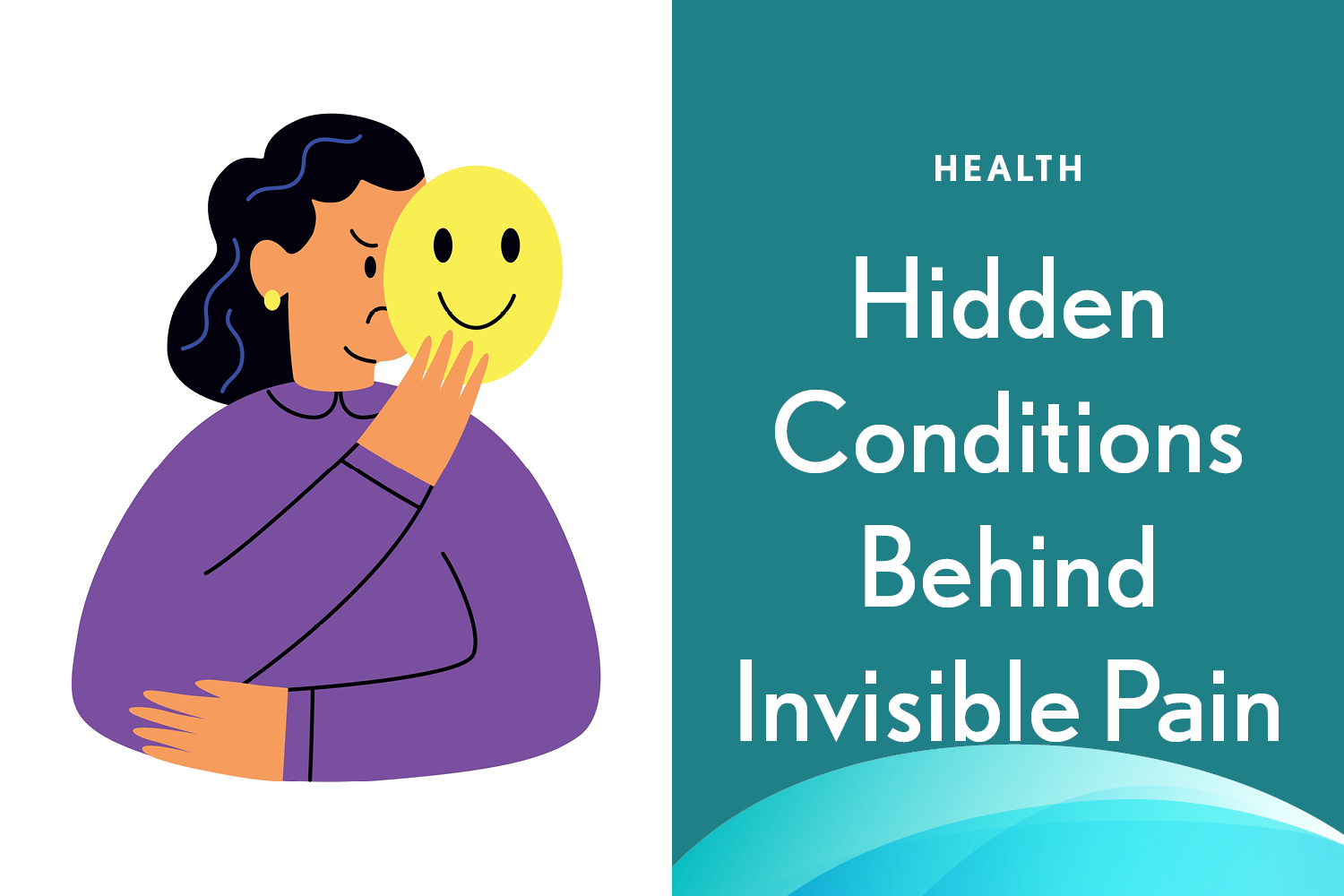
We live in a world that often equates health with appearance. If someone looks fine on the outside, we automatically assume they must feel fine on the inside.
We see someone walking their dog, meeting friends for coffee, or working at their desk, and we can’t imagine the silent battle they might be fighting.
But for millions of people living with chronic pain and invisible illnesses, this couldn’t be further from the truth.
Conditions like fibromyalgia, ME/CFS, endometriosis, and autoimmune diseases don’t always have visible signs. They are a relentless, daily challenge that is often misunderstood by friends, family, and even the medical community.
Our culture tends to praise a “push through” mentality. We see it as a sign of strength, resilience, and determination. But when it comes to chronic pain, this approach can be deeply harmful. It can lead to a devastating cycle of boom and bust.
On a “good” day, you might push yourself to catch up on all the things you’ve missed. You do the housework, run errands, and try to live a “normal” life. But the result is often a “crash” that leaves you in more pain and exhaustion for days or even weeks.
True strength in the context of chronic pain is not about ignoring your body’s signals. It’s about learning to listen to them with profound respect. It’s about understanding your limits and finding a sustainable pace. It’s about managing your energy, not just enduring your pain.
Living with a hidden condition is an incredibly isolating experience. The physical symptoms are only one part of the burden. The emotional weight can be just as heavy, if not heavier.
There is the constant need to justify your pain to others. The well-meaning but unhelpful advice. The skepticism from those who don’t understand. This can lead to a deep sense of loneliness and frustration.
Furthermore, the unpredictability of these conditions makes it hard to plan your life. You might have to cancel plans at the last minute, which can lead to feelings of guilt and letting others down.
Over time, this can erode your self-esteem and lead to anxiety and depression. Acknowledging this emotional toll is a crucial step for both patients and their support systems.
When your pain isn’t visible on a scan or a blood test, you have to become your own best advocate. The medical system is not always well-equipped to handle complex, chronic conditions. This means you need to be prepared and persistent.
Keep a detailed symptom journal. Track your pain levels, your fatigue, and any other symptoms on a daily basis. Note any triggers that make things worse and anything that brings you relief. This provides concrete data that is hard to dismiss.
Write down your questions before your appointment. It’s easy to get flustered and forget what you wanted to ask. Be clear and concise about your goals for the visit. If you don’t feel heard, it is okay to say so. It is also okay to seek a second opinion.
You know your body better than anyone. Your lived experience is a valid and crucial piece of evidence.
If you know someone with an invisible illness, you have the power to make a huge difference in their life. Empathy starts with one simple but profound act: belief. The most powerful thing you can say is, “I believe you, and I’m here for you.”
Resist the urge to offer unsolicited advice or compare their situation to someone else’s. Instead, ask open-ended questions like, “How are you feeling today?” or “Is there anything I can do to help?”
Understand that their energy is a finite resource. An invitation to a quiet coffee at home might be more manageable than a loud, crowded party. Small, thoughtful gestures of understanding can break through the wall of isolation and make someone feel seen and supported.
Managing a hidden condition is not about finding a magic cure. It’s a journey of self-discovery and radical self-care. It’s about building a personalised toolkit of strategies that help you to manage your symptoms and improve your quality of life.
This might include gentle movement like stretching or tai chi. It could involve dietary changes to reduce inflammation. It might mean incorporating mindfulness and pacing into your daily routine.
It’s about celebrating the small victories—like taking a shower or making a simple meal. It’s about having boundless compassion for yourself on the hard days. It’s a path that requires immense courage, patience, and a deep, unwavering commitment to honouring the needs of your body.
