

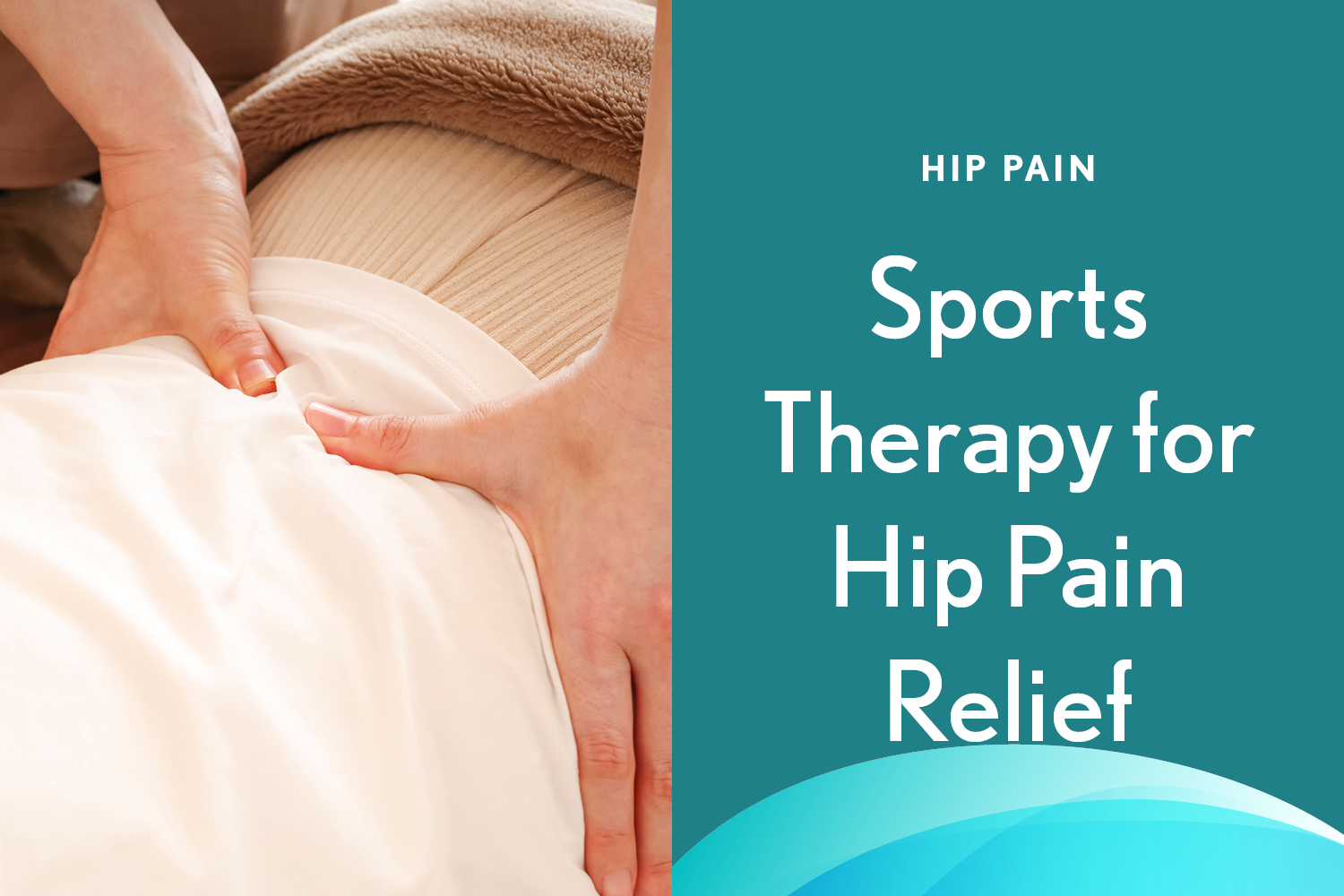
A persistent ache or sharp pain on the outside of your hip can be incredibly restrictive. It also often worsens when walking, climbing stairs, or trying to sleep on your side. Called Greater Trochanteric Pain Syndrome, or GTPS, it can quickly take the freedom out of daily movement.
But living with this hip pain does not have to be your only option. Sports therapy offers practical, effective strategies to resolve the issue. We focus on restoring strength and balance so your hips can move powerfully and comfortably again.
Greater Trochanteric Pain Syndrome refers to pain felt around the bony prominence on the outer upper thigh. This bony part is called the greater trochanter. It is the attachment site for several powerful muscles, most notably the gluteal tendons.
GTPS is typically caused by irritation or compression of the tendons and surrounding bursae in this area. It is primarily an issue of the tendons being overloaded and becoming sensitive. This reduces their ability to handle the forces of movement efficiently.
The main symptom is pain felt directly on the outside of the hip, often spreading down the side of the thigh. It usually feels worse when weight-bearing, such as standing on one leg, or after long periods of walking.
GTPS is usually a loading problem. It occurs when the load placed on the hip’s outer tendons exceeds their current capacity to cope. This often happens due to repetitive activities.
Activities like long-distance running, long walks, riding horses, or repetitive stair climbing can contribute. In these cases, the tendons are repeatedly compressed against the bone. This constant friction or strain leads to irritation over time.
Muscle imbalances also play a critical role. If the small stabilising muscles of the hip are weak, the larger tendons take on excessive strain. This imbalance means the load is not distributed effectively during movement.
The health of your outer hip relies heavily on the strength of the gluteal muscles (glutes) in the buttocks. These muscles are essential for controlling the position of your thigh bone. They keep your pelvis stable when you walk or run.
When the gluteal muscles are weak or slow to activate, the tendons become exposed to excessive forces. Building targeted strength in the glutes reduces friction and compression on the tendons. It allows the tendons to function safely.
We also look at flexibility, particularly in the hip flexors and surrounding tissues. Tightness in these areas can alter your walking pattern. This can put unwanted, unbalanced strain on the outer hip complex.
Sports therapy provides a proactive approach, combining manual treatment with specific, controlled exercise. The tissue requires a controlled load to strengthen and heal properly, rather than simple rest.
Manual techniques like Soft Tissue Massage are used extensively on the forearm flexor muscles to reduce the chronic pull on the inner elbow. To accelerate healing, we may incorporate Shockwave Therapy or localised Ultrasound Therapy.
Acupuncture can provide significant relief for pain and sensitivity. Kinesiology Taping is often applied to reduce strain during gripping tasks. These are combined with targeted, progressive strengthening in a Tailored Rehab plan, along with advice on key Supplements.
Extracorporeal Shockwave Therapy (ESWT) is frequently used to treat chronic, unresponsive Greater Trochanteric Pain Syndrome. The high-energy acoustic waves are focused directly onto the painful, thickened gluteal tendons and the underlying bursa at the greater trochanter.
ESWT is effective here because it serves to desensitise the pain receptors (nociceptors) in the local area, which provides rapid relief from the sharp, constant ache often felt at night or when weight-bearing.
Furthermore, the shockwaves stimulate the formation of new blood vessels, boosting nutrient and oxygen supply to the injured tendons, and help to mechanically break down stiff, non-elastic scar tissue.
This dual approach calms the pain while simultaneously prompting the biological repair and regeneration of the chronically stressed tendons.
Managing GTPS requires making intelligent choices about how you load your hip. We help active individuals identify and modify the activities that provoke their pain most. This does not mean stopping movement entirely.
We provide specific exercises designed to activate the stabilising hip muscles safely. These exercises are initially low-impact and carefully managed. They focus on building endurance without causing tendon irritation.
Your therapist will also offer advice on positioning during sleep. Using a pillow between the knees, for example, can significantly reduce the pressure placed on the outside of the hip overnight.
GTPS can make your hip feel fragile, leading you to walk or move stiffly to avoid pain. But your hips are designed for stability, power, and freedom of motion. They simply need the right strategy to regain their resilience.
Sports therapy provides the expertise to address the imbalance, ease the tension, and guide the strengthening process. It is about returning to a place where walking, running, and sleeping are comfortable and pain-free. If hip pain is limiting your movement, let us help you move confidently again.
