

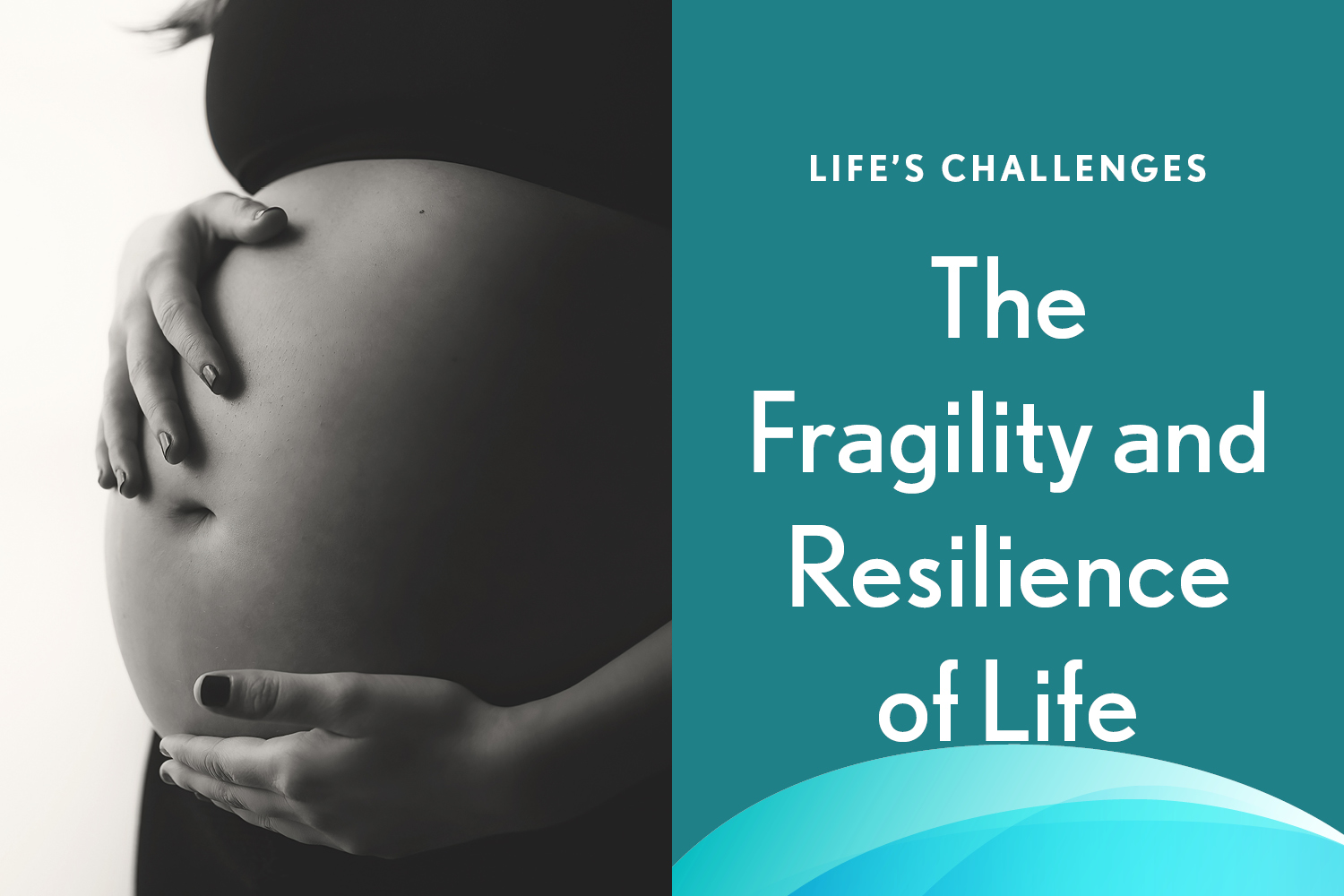
The biological process of development is a masterpiece of precision. Millions of steps must be perfectly coordinated to build a new organism. But sometimes, the path takes an unexpected turn.
This is not a story of failure. It is a powerful testament to the delicate balance between fragility and resilience that defines all life. These diversions reveal just how remarkable the body’s drive to create and adapt truly is.
The journey from a single cell is guided by a complex genetic blueprint. Occasionally, a small part of this blueprint might be misread. Or the environment within the womb might present an unexpected challenge.
When this happens, the developmental process can divert from its typical course. This can lead to variations in how the body is structured or how it functions. These are not mistakes, but different biological outcomes.
These events highlight the incredible complexity of the building process. They show how sensitive development is to both its internal instructions and its external environment.
However, it also helps to understand that while many of these variations are benign or adaptive, some (mutations) can affect health or development in more significant and potentially harmful ways.
Recognising this spectrum helps us better understand both the diversity and vulnerability of biological systems.
Life is not just fragile; it is also incredibly resilient. The body has amazing systems for adaptation and repair that are active from the very beginning. These systems are a fundamental part of the developmental toolkit.
Cells have mechanisms to check for errors in the genetic code and can often correct them. If a group of cells does not form correctly, sometimes other cells can adapt to take over their function. The developing organism is constantly working to overcome challenges.
This innate ability to find solutions is a core principle of biology. It is the body’s own problem-solving intelligence at work. It demonstrates a powerful drive to continue the process of growth against the odds.
A very small change early in development can lead to significant differences later on. Think of it like a tiny course correction at the start of a long journey. The further you travel, the more that small change matters.
A single genetic variation or a brief environmental disruption can be one of these turning points. It can alter the instructions for a specific protein or change the timing of a critical event. This sends the developmental story in a new direction.
These moments are not inherently negative. They are simply points of divergence. They are a natural part of the biological variation that creates the rich diversity of life.
Studying these developmental variations has been crucial for science. It has given us profound insights into how the body is built. By understanding what happens when a process changes, we learn more about how it works in the first place.
This knowledge has driven huge leaps in genetics, biology, and healthcare. It has helped us to understand the function of thousands of genes. It has also deepened our appreciation for the body’s intricate systems.
This field of study is a story of discovery. It reveals the deep and complex connections between our genes, our environment, and our health.
Every developmental journey is a story of incredible strength. Whether the path is straightforward or filled with challenges, it showcases the powerful, persistent drive of life. The body’s commitment to building itself is a constant.
This reminds us that health is not about perfection. It is about adaptation, resilience, and the body’s continuous effort to organise and heal itself. This innate strength is the foundation upon which all life is built.
